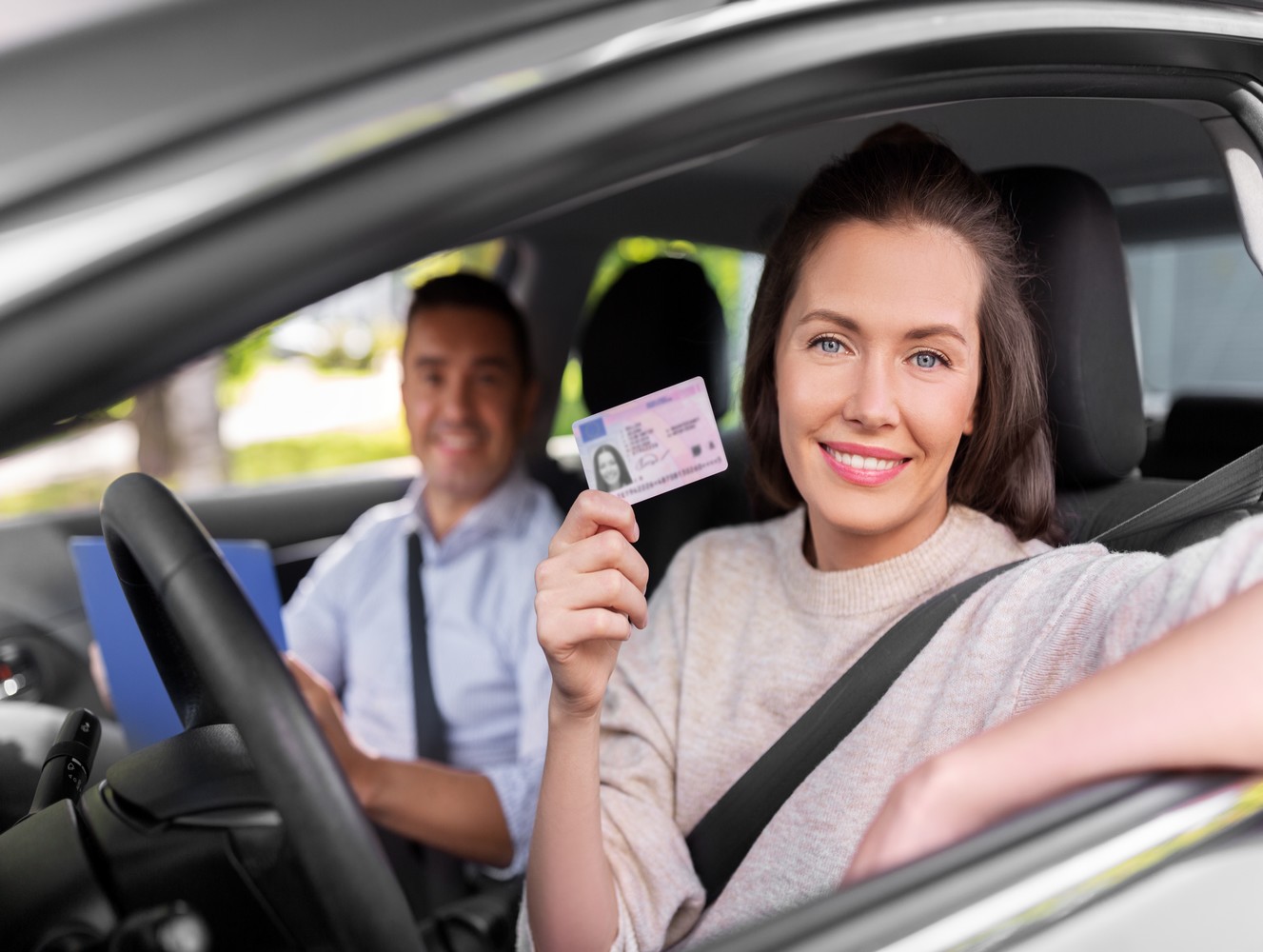
10 Reasons Why People Hate Purchase Driver's License. Purchase Driver's License


Understanding the Process of Purchasing a Driver's License
Getting a driver's license is a substantial milestone for lots of individuals, representing self-reliance and the capability to take a trip freely. Nevertheless, there is a legal process involved that makes sure chauffeurs satisfy safety and regulative standards. The phrase "buying a driver's license" can often be misinterpreted, as it implies that one can merely buy the document without going through the essential actions. This article will elucidate that process, including different tests, documentation, and charges associated with obtaining a driver's license, while conveying the value of sticking to the legal framework.
The Importance of a Driver's License
A chauffeur's license serves several purposes:
- Legal Authorization: It provides legal authority to operate a motor lorry on public roadways.
- Identification Document: It acts as a widely recognized form of ID.
- Insurance Requirement: Many insurance coverage providers need a legitimate chauffeur's license to provide cars and truck insurance.
Understanding the functions of a motorist's license can highlight its significance in contemporary society.
The Process of Acquiring a Driver's License
The pathway to obtaining a chauffeur's license can be summarized into a number of key phases. Below is an in-depth summary of each.
Step-by-Step Process
| Step | Description |
|---|---|
| 1 | Eligibility Check: Verify age and residency requirements set by the state's Department of Motor Vehicles (DMV). Many states need applicants to be a minimum of 16 years old. |
| 2 | Documentation: Gather essential files, including proof of identity, house, and social security number. |
| 3 | Written Test: Take and pass the written knowledge test to show understanding of roadway indications and driving laws. |
| 4 | Vision Test: Pass a vision examination to make sure safe driving abilities. |
| 5 | Driver's Education: Complete an authorized motorist's education course, if needed by the state. |
| 6 | Practice Driving: Gain practical experience behind the wheel, typically with a certified instructor or responsible adult. |
| 7 | Driving Test: Schedule and pass the driving skills test. This may include showing useful driving abilities in various traffic circumstances. |
| 8 | Permit Issuance: Some states provide a learner's permit during the procedure, permitting the individual to practice driving under certain conditions. |
| 9 | License Issuance: Upon passing all tests and paying relevant charges, a motorist's license is released. |
Expenses Involved
The procedure of acquiring a driver's license is related to different charges. Below is a list of prospective expenses:
- Application Fee: Many states charge a charge to process the application.
- Testing Fees: Fees for the written understanding and driving tests might apply.
- License Fee: Upon passing all tests, an extra cost is needed for the issuance of the license.
- Chauffeur Education Costs: Classes, if needed, typically featured a fee.
These expenses can vary substantially based upon the state and circumstances, making it essential for candidates to budget appropriately.
Timeframe for Obtaining a License
The whole process can take anywhere from a couple of weeks to several months, largely depending upon state policies and specific readiness. Elements impacting the timeline consist of:
- Availability of Tests: Wait times for scheduling composed and driving tests can differ.
- Motorist Education Completion: The time it requires to complete a driver education course.
- Practice Time: Gaining the needed practice hours might extend the procedure.
Frequently Asked Questions (FAQs)
Q: Can I purchase a motorist's license without taking tests?A: No, all state laws need people to pass particular tests(written, vision, and driving)to make sure the competency and safety of motorists. index : What documents are needed to request a motorist's license?A: Generally, applicants need to supply proof of identity(birth certificate, passport), residency( energy bills, lease arrangements), and a social security number. Q: At what age can I obtain a motorist's license?A: Most states permit individuals to request
a learner's permit at age 15 or 16, while full licensure typically needs applicants to be a minimum of 18 years of ages or to have held a permit for a time period. Q: How can I get ready for the composed understanding test?A: To prepare for the test, candidates ought to study the state's motorist handbook, take practice tests, and go to driver education courses. Q: What happens if I stop working
the driving test?A: Applicants can generally retake the driving test after a predetermined waiting duration, which can differ by state.
Getting a chauffeur's license is not merely a matter of purchasing a file; it includes a thorough procedure designed to guarantee the safety and competency of chauffeurs on the roadway.
By following the actions detailed above and adhering to state regulations, potential drivers can secure their licenses lawfully and properly. Comprehending the importance of this process reinforces its worth in promoting safe driving practices while allowing people to enjoy the self-reliance that comes with holding a valid chauffeur's license. In summary, while numerous might look for the benefit of faster ways, the procedure to obtain a motorist's license is essential and advantageous for the total safety of the neighborhood.